

Commentary
The Russian state has opted for complete ideological control of the internet and is prepared to bear the associated costs.
Maria Kolomychenko
{
  "authors": [
    "Alexey Gusev"
  ],
  "type": "commentary",
  "blog": "Carnegie Politika",
  "centerAffiliationAll": "",
  "centers": [
    "Carnegie Endowment for International Peace",
    "Carnegie Russia Eurasia Center"
  ],
  "englishNewsletterAll": "",
  "nonEnglishNewsletterAll": "",
  "primaryCenter": "Carnegie Russia Eurasia Center",
  "programAffiliation": "",
  "regions": [
    "Russia"
  ],
  "topics": [
    "Energy",
    "Climate Change",
    "Trade",
    "Economy",
    "Domestic Politics"
  ]
}
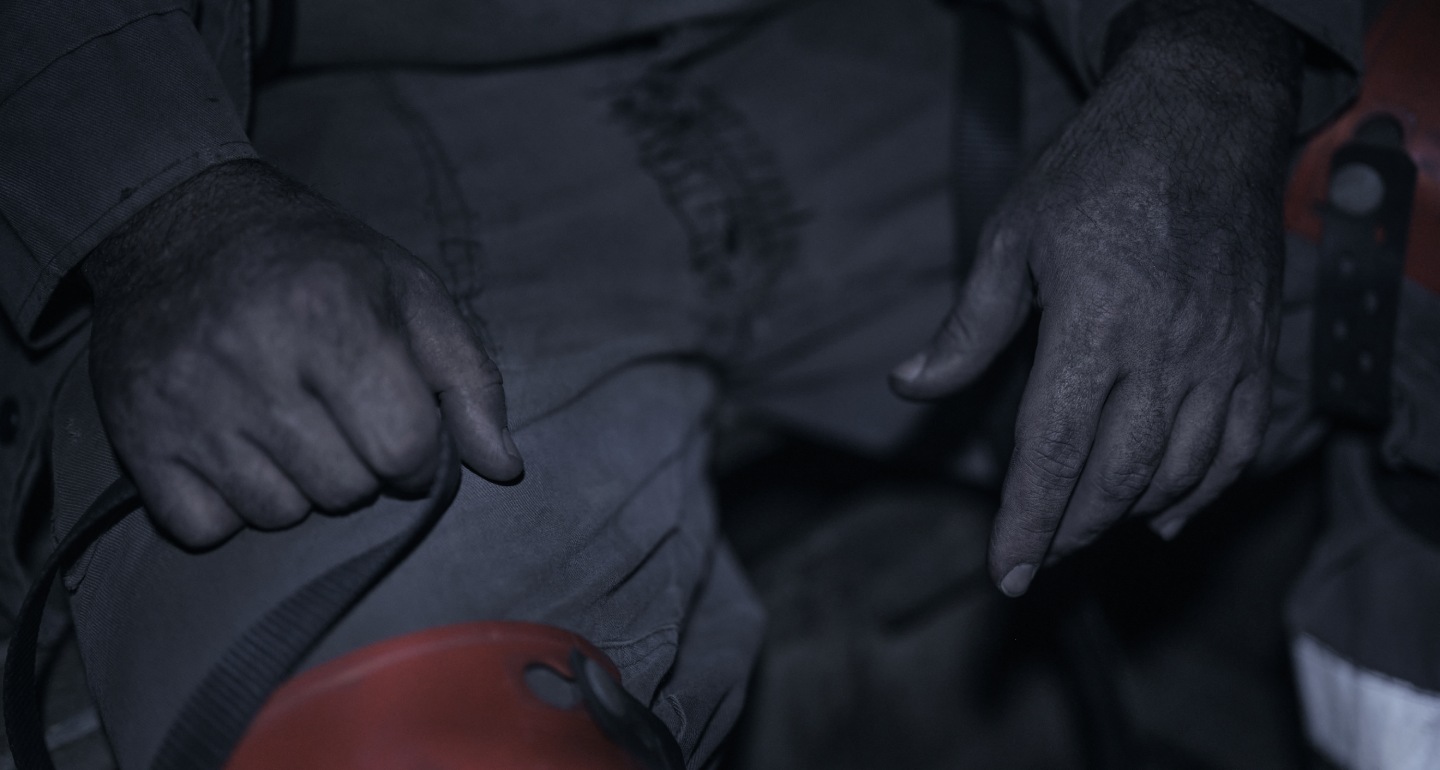
Source: Getty
Powerful lobbyists and inertia led to Russia’s coal-mining sector missing an excellent opportunity to solve its structural problems.
Data from the first quarter of 2026 show that the Russian economy is on the brink of a major crisis. Key industries such as metallurgy have failed to secure state support; the debt-to-income ratio in some regions has reached 70 percent; and the Finance Ministry has been preparing to slash all nonessential spending by 10 percent. The oil price spike caused by the war in Iran means Moscow can afford to delay its response by a few more months, but it won’t solve the problem.
Entire sectors of the Russian economy are in urgent need of major overhaul, and one of those is coal mining, which has shown it is incapable of emerging from a systemic crisis. Its gradual demise is having serious consequences for the socioeconomic situation in several Russian regions.
Although discussions have been ongoing for several years about ending coal production in Russia entirely, until recently the sector was doing well. In 2021—the last year before the full-scale invasion of Ukraine—global coal prices rose to as much as $150 a ton, allowing Russian companies to export more than 220 million tons and earn over $17 billion. During the decade leading up to 2021, Russia’s main coal-producing region—Kemerovo in Siberia, known as the Kuzbass—saw its revenues double. And the price spike meant the new coal-producing center in the south of Russia’s Sakha Republic was building infrastructure for exports to Asia.
However, the war in Ukraine led to Europe, which had previously imported up to 50 percent of Russian coal exports, putting an embargo on Russian coal. Instead, companies had to look to Asia. The process of redirecting exports was hamstrung by limitations on Russia’s railroad capacity and rising transport costs. In some cases, it cost as much as $70 a ton to ship coal to Russia’s Far Eastern ports, reducing the profitability of exports and making Russian coal less attractive than that from Indonesia or Australia.
Nevertheless, the loss of the European market in 2022 was largely offset by further rises in the price of coal to up to $400 a ton. Russian exporters made as much as $22 billion in profit that year.
In the Kuzbass, the integration of coal mining with the iron and steel industry eased the impact of Western sanctions. Unwanted coal was partially redirected to domestic iron and steel factories, reducing the sector’s dependence on exports, and mitigating the 2022 shock.
However, the sector’s accumulated problems could not be hidden forever. While the Russian economy was booming in 2023 and 2024, the Kuzbass was virtually the only region in the country where the average gross regional product (GRP) shrank (it dropped 0.5 percent between 2021 and 2024, compared with growth of 13.7 percent across the country as a whole).
Russia’s coal industry has undeniably managed to reorient toward Asia—but this has been an uneven process. The closer the coal mines are to Russia’s Far Eastern ports, the lower the transport costs—which makes coal from the Sakha Republic, for example, much more competitive than that from the Kuzbass.
Such structural imbalances have affected regional economies, with the coal sector in Kuzbass shrinking between 2022 and 2024. Final statistics for 2025 are not yet available, but preliminary data indicate that the contraction may have hit double digits. For a region that is so dependent on coal, this means rising unemployment and lower incomes.
The Kuzbass is a textbook example of a region with large numbers of monotowns, where everything revolves around coal mining. While Russia has previously taken steps to address this problem, there have been no significant economic diversification projects since the full-scale invasion of Ukraine. Instead, officials seek to maintain the status quo. The result is that the Kuzbass government’s dependence on federal subsidies has been growing: in 2024–2025, intra-budget transfers accounted for up to 25 percent of the region’s income.
Such ineffectiveness is further shored up by the significant lobbying power of local business and politicians. Sergei Tsivilev, who was governor of Kuzbass until 2024, is now not only energy minister, but the husband of Deputy Defense Minister Anna Tsivileva—Russian President Vladimir Putin’s first cousin once removed. The couple has long-standing ties to the coal industry, and they are a major asset when it comes to federal-level lobbying. They help ensure the continuation of state subsidies, transfers, and tariff exemptions—mitigating the short-term effects of a growing crisis while leaving its fundamental causes unaddressed.
Continuing to delay the moment when this must be tackled is a particularly odd tactic given that the military Keynesianism of 2023–2025 provided an excellent opportunity to restructure labor markets in regions like the Kuzbass. The unprecedented demand for workers in the defense sector meant that those who lost their jobs in sectors like coal mining could easily have found new employment.
In the Kaliningrad, Kaluga, and Samara regions, those laid off from car assembly plants when the automobile industry faced difficulties in 2022 were hired by machine-building factories in the defense sector. At the same time, problems in the labor market were cynically “solved” by recruiting unemployed men into the armed forces. In other words, if coal mines had been closed, many ex-miners would not have ended up out of work: they would have found jobs in the defense industry, or gone off to war.
The Russian state supports the Kuzbass’s uncompetitive coal industry not for economic reasons, but for social ones. It is the result of lobbying by major coal and metals companies, as well as management inertia. The irony, though, is that without such support, Russia’s war economy would have facilitated a rapid and relatively painless structural transformation of coal-producing regions.
The death of the coal industry—and coal-mining monotowns—is an inevitable stage in the post-industrial transformation. It has happened all over the world, from the “rust belt” of the United States to Germany’s Ruhr. It’s currently under way in parts of China’s Inner Mongolia region. But the Kremlin’s obsession with the Ukraine war means Russia continues to ignore this natural process. Such an approach simply increases the risks of a systemic crisis further down the line.
Alexey Gusev
Independent sociologist
Carnegie does not take institutional positions on public policy issues; the views represented herein are those of the author(s) and do not necessarily reflect the views of Carnegie, its staff, or its trustees.
The Russian state has opted for complete ideological control of the internet and is prepared to bear the associated costs.

Maria Kolomychenko
After four years of war, there is no one who can stand up to the security establishment, and President Vladimir Putin is increasingly passive.

Tatiana Stanovaya
Although Ukrainian strikes have led to a noticeable decline in the physical volume of Russian oil exports, the rise in prices has more than made up for it.

Sergey Vakulenko
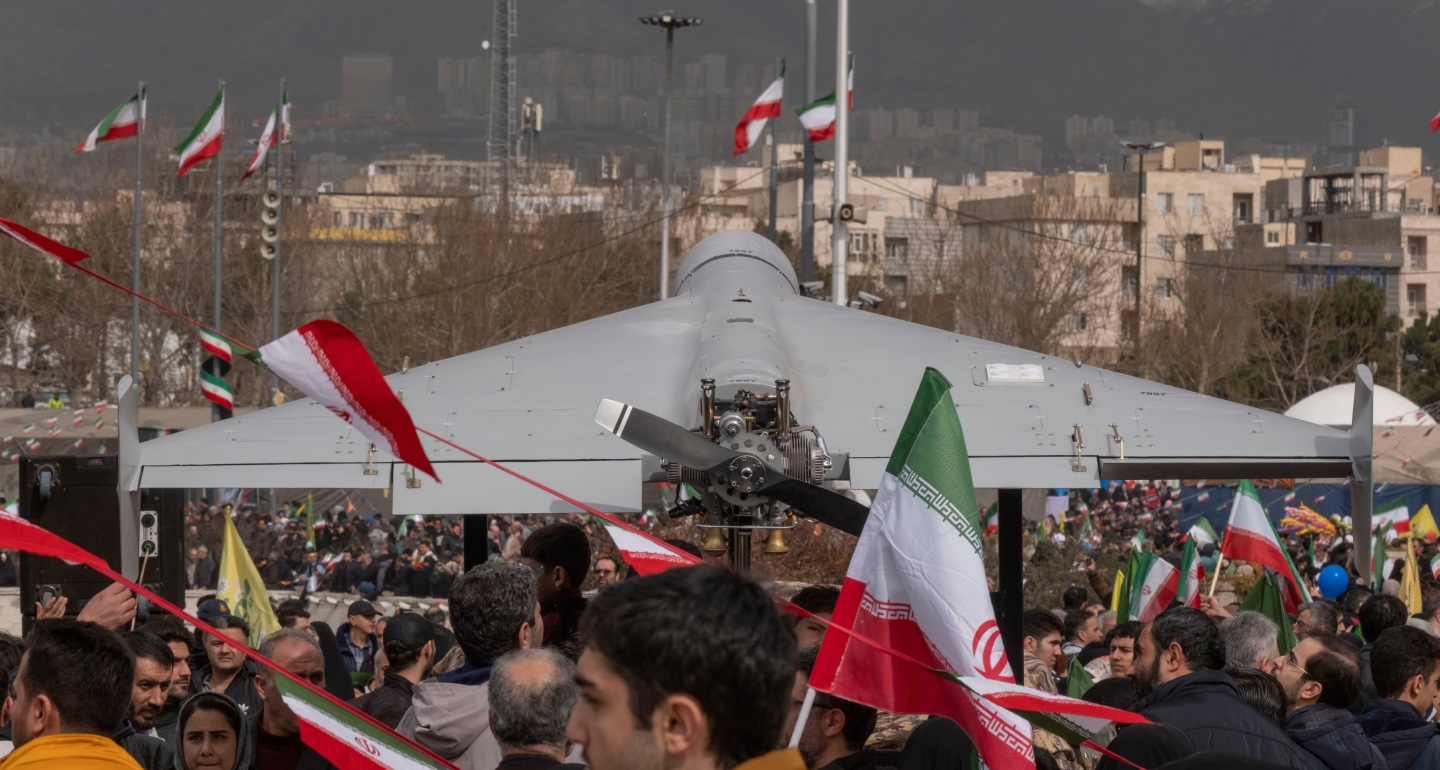
The Russian leadership wants to avoid a dangerous precedent in which it is squeezed out of Iran by the United States and Israel—and left powerless to respond in any meaningful way.

Nikita Smagin
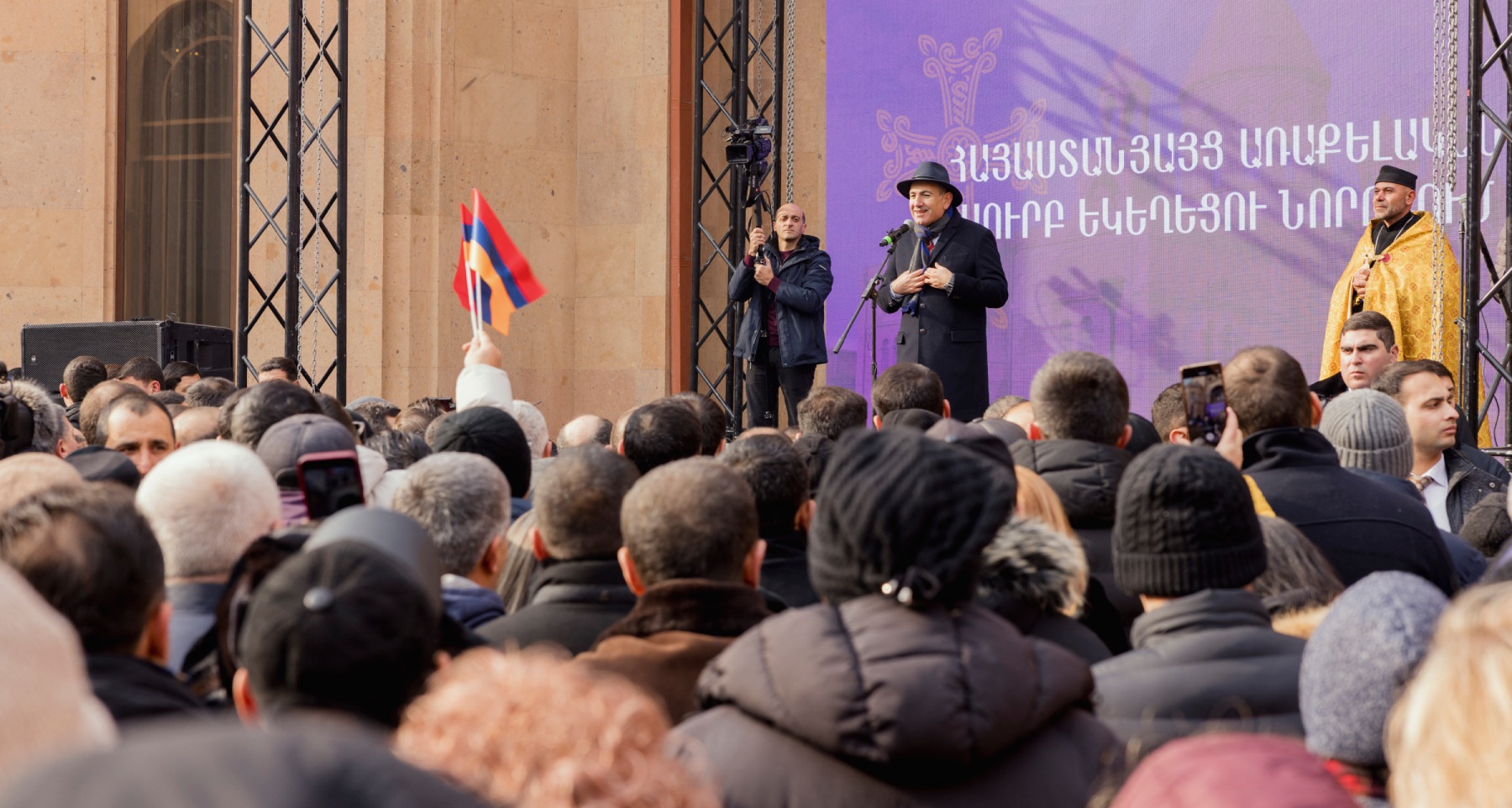
It’s true that many Armenians would vote for anyone just to be rid of Pashinyan, whom they blame for the loss of Nagorno-Karabakh, but the pro-Russia opposition is unlikely to be able to channel that frustration into an electoral victory.
Mikayel Zolyan